
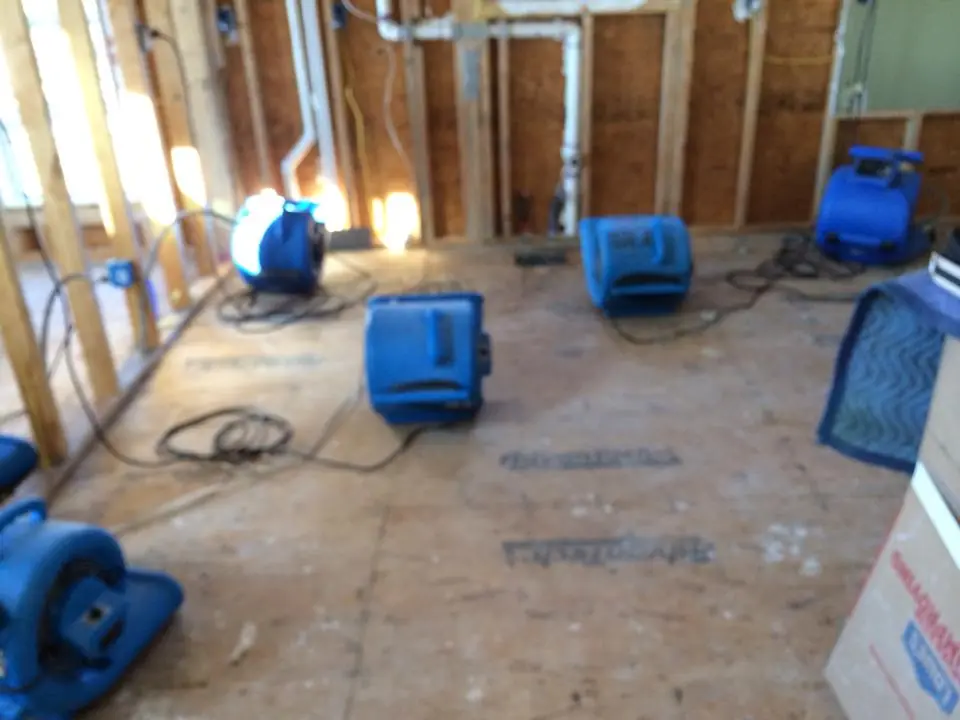
Water extraction and structural drying in Bend
Water extraction removes standing and soaked-in water with high-powered extractors. Structural drying then pulls the remaining moisture out of framing, subfloor and drywall using air movers and dehumidifiers. Bend Disaster Restoration does both and logs moisture readings daily and stops drying when the numbers say the materials are dry.
- 4.8 from 15 Google reviews
- IICRC certified firm
- Oregon CCB #230354
- BBB A+
What water extraction & structural drying involves
Extraction is the cheapest part of a water loss and the part that saves the most money. Every gallon pulled out with a machine is a gallon the dehumidifiers don’t have to pull out of the air over the next three days.
Seth is IICRC-trained in Applied Structural Drying, the course that teaches the science of moving water out of building materials. Central Oregon’s dry air helps us. Its cold winters, and the crawl spaces under most homes here, don’t.
Who it's for
Anyone with standing water, wet carpet, a soaked crawl space or a ceiling that’s dripping, in Bend or nearby.
What's included
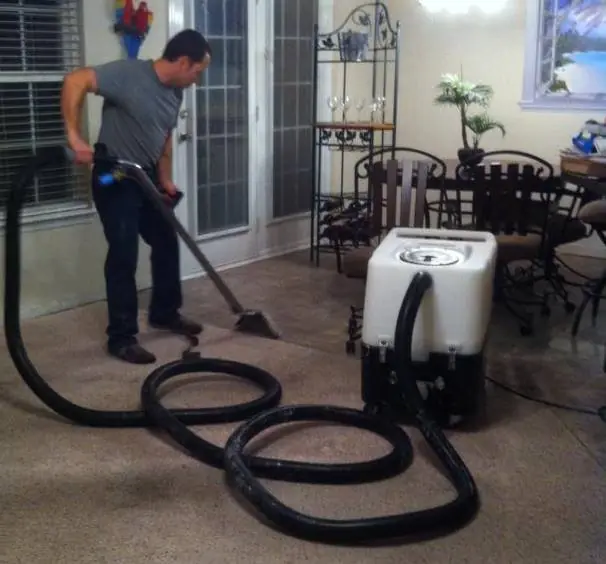
- Truck-mount and portable water extraction
- Crawl space water removal
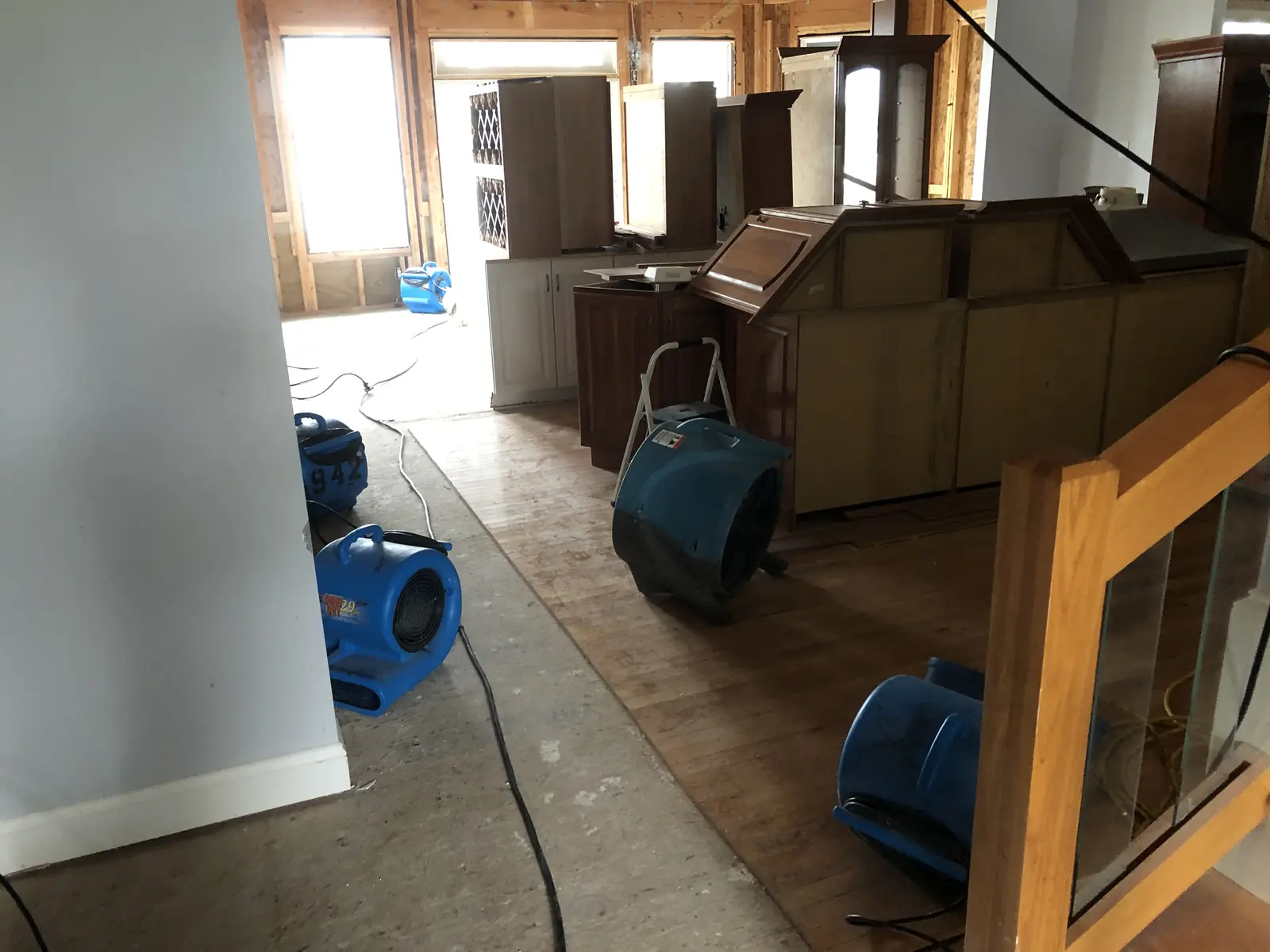
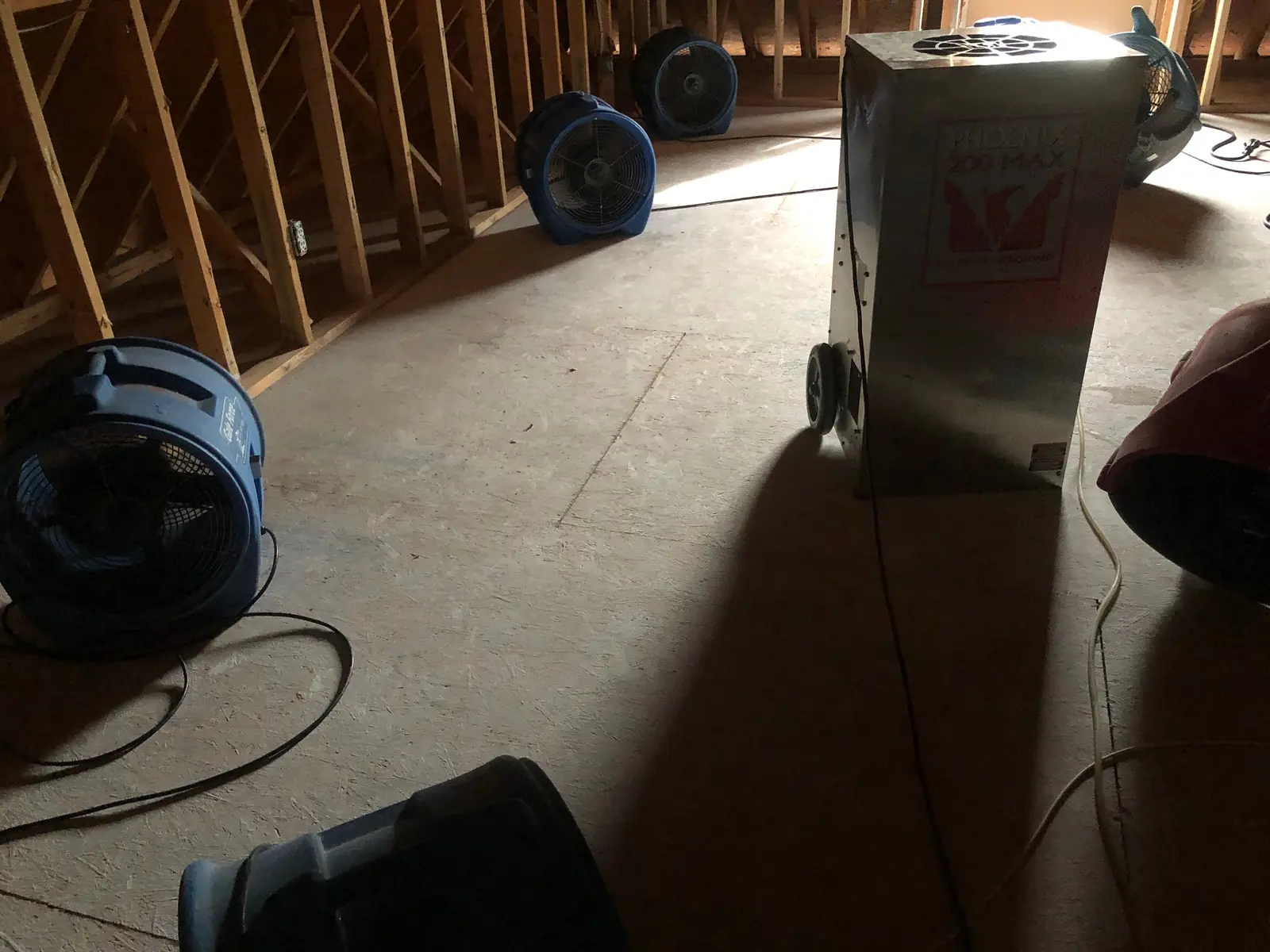
- Air movers, dehumidifiers and drying mats sized to the room
- Daily moisture readings recorded for you and your adjuster
- Equipment removed only when materials reach a dry standard
What it costs
Insured losses are billed to your insurer in Xactimate. Private jobs get a free written estimate before work starts. Drying is usually priced per piece of equipment per day, so a fast, thorough extraction keeps the bill down.
What changes the price
- Square footage that got wet
- How long the water sat before extraction
- Number of air movers and dehumidifiers needed
- Number of drying days
From your first call to a finished room
- Step 1
Extract
We pull standing water from floors, carpet and pad, and from crawl spaces.
- Step 2
Measure
Moisture meters find the wet edges, including inside walls and under cabinets.
- Step 3
Set equipment
Air movers push dry air across wet surfaces. Dehumidifiers pull the water out of that air.
- Step 4
Monitor
We come back to read, adjust and log. You see the numbers.
- Step 5
Verify dry
Wet materials are compared against dry ones in the same house before anything is closed up.
What the work looks like
The longer answers
Why not just open the windows?
Bend’s air is dry most of the year, which does help. But open windows won’t move water out of a wall cavity or a subfloor, and in winter they bring in freezing air that slows drying to a crawl. Controlled drying is faster and you can measure it.
Can wet carpet be saved?
Often, if the water was clean and it gets extracted quickly. The pad underneath usually has to be replaced. Carpet soaked by a toilet overflow or sewer backup is not saved.
What customers said
Seth at Bend Disaster Restoration was a true lifesaver when our crawl space flooded. From the moment he arrived, he was calm, professional, and incredibly knowledgeable. He walked me through every step of the process — from assessing the damage to executing the cleanup and repairs — and made a stressful situation so much easier to handle. His communication was clear, his work was efficient, and the results speak for themselves. I’m so grateful for his help and highly recommend Seth and Bend Disaster Restoration to anyone dealing with any type of home emergency!
When we discovered a water leak in our laundry room and bathroom, Seth was extremely responsive. He came over that same day and was able to find the extent of the damage and started remediation immediately. He was great about communicating what was happening and what needed to be done, which was extremely appreciated in such a stressful situation. I am incredibly thankful for his work and will recommend him to anyone, anytime!
Called bend disaster restoration and they came out that day. Seth got to work immediately. Doing the tear out and getting everything dried. I am grateful for the professionalism during a stressful time. Thank you.
Water extraction & structural drying: common questions
How long will the drying equipment be in my house?
Usually three to five days. We check moisture readings daily and pull equipment as soon as materials are dry, not before.
Is the equipment loud?
Yes. Air movers sound like a strong box fan running continuously. We place them to dry the structure and try to keep a bedroom quiet where we can.
Can you dry a crawl space?
Yes. Crawl spaces are common under Central Oregon homes and we extract water there, dry the framing and subfloor above it, and check the readings like any other room.
Related services
- Water damage restorationBurst pipes, failed water heaters, leaking dishwashers, flooded crawl spaces. We find where the water went, get it out and dry the building back to normal.
- Storm & frozen pipe damageBend winters split pipes in crawl spaces and exterior walls, and snowmelt finds its way under roofs. We come out in the cold, dry it and fix it.
- Insurance claims & billingWe bill your insurer directly in Xactimate, the program adjusters use, so the scope and the claim speak the same language.
Need water extraction & structural drying in Bend? Call now.
A real person answers, day or night. Tell us what happened and we'll tell you what to do in the next ten minutes, then get there.
Not an emergency? Get a free estimate.
Leave your number and we’ll call you back to arrange a visit.